
For people living with haemophilia
When something feels wrong, keep your next step clear.
Check the signs, follow the plan you agreed with your clinic, and keep a clear record from first symptom to recovery.
Bleedwise does not diagnose a bleed or replace your care team.
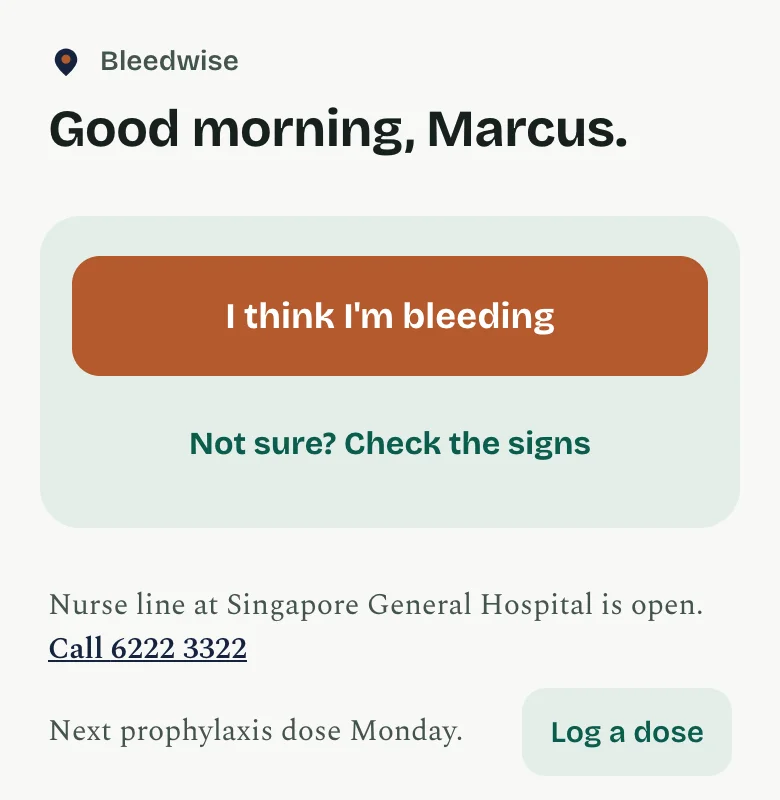
Fictional patient shown.
Why Bleedwise exists
A bleed can start before anything shows.
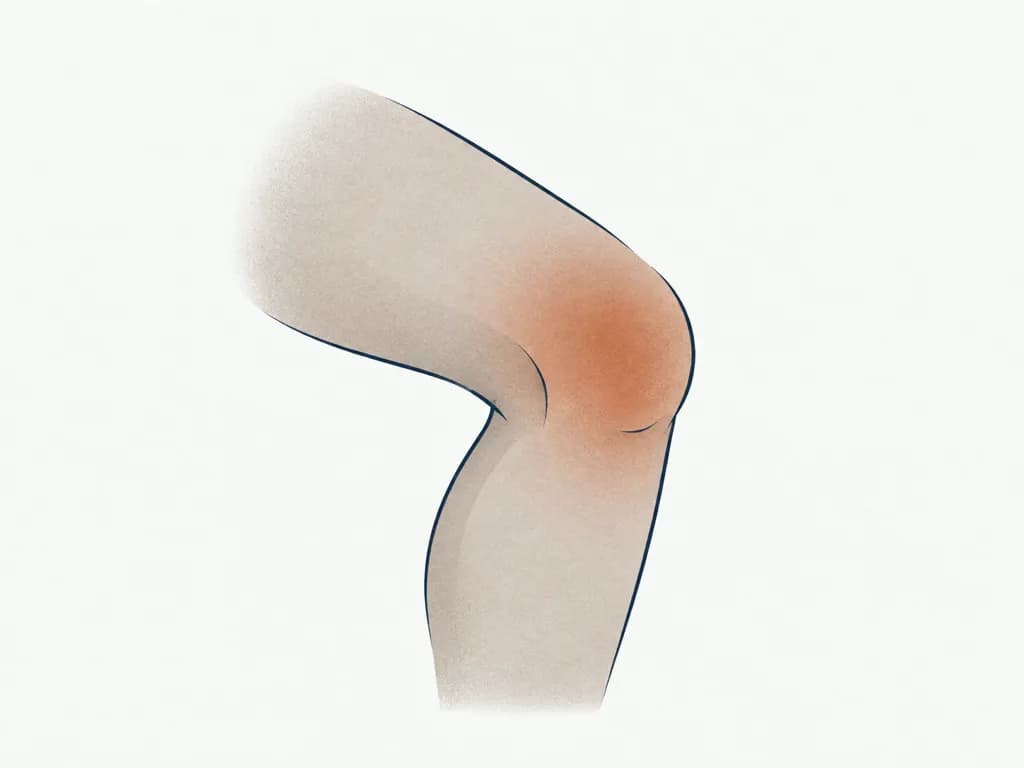
Warmth, tightness, a pain that keeps building. The question is always the same: is this a bleed, and what do I do now? Bleedwise gives that moment a clear shape, with your own plan and your care team in charge.
From first sign to recovery
One bleed, followed all the way through.
Step 1
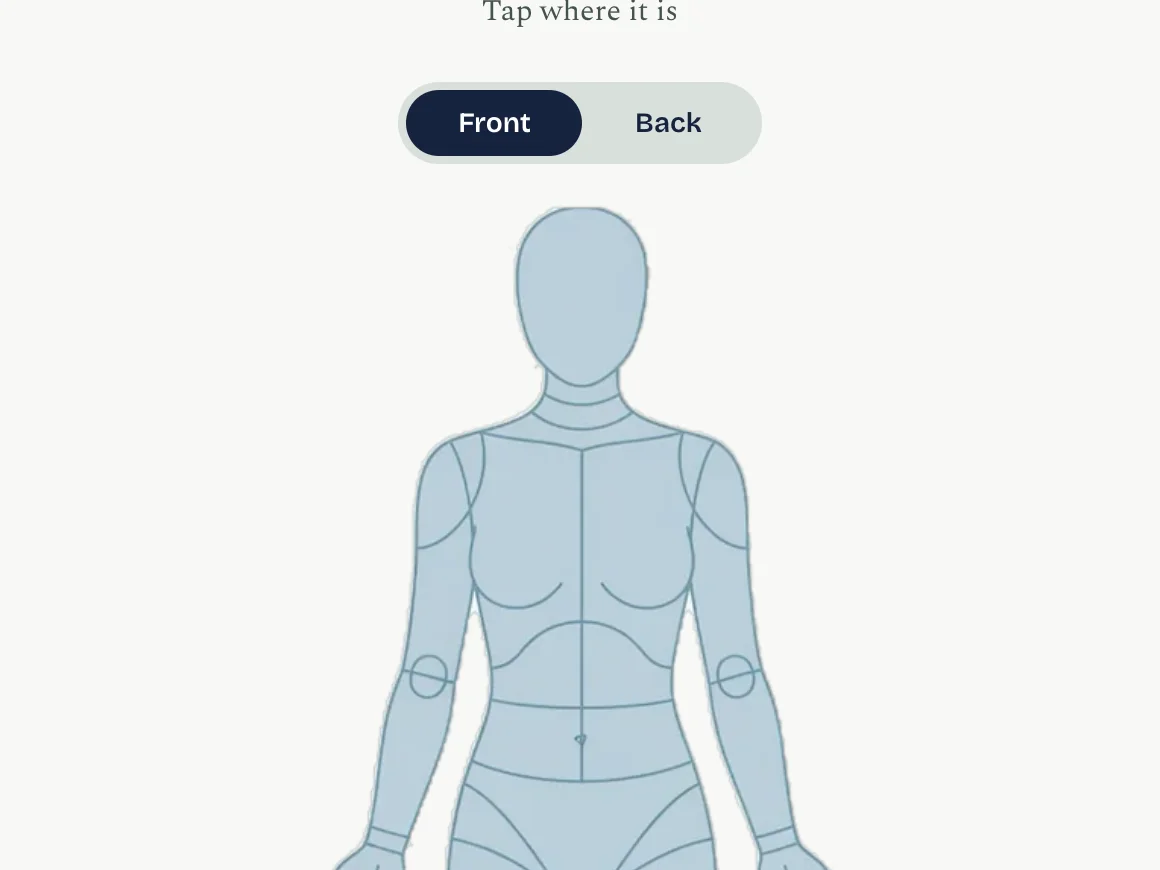
Start with where it is.
Tap the body map and answer a few questions about that site. Warning signs are checked first.
Step 2
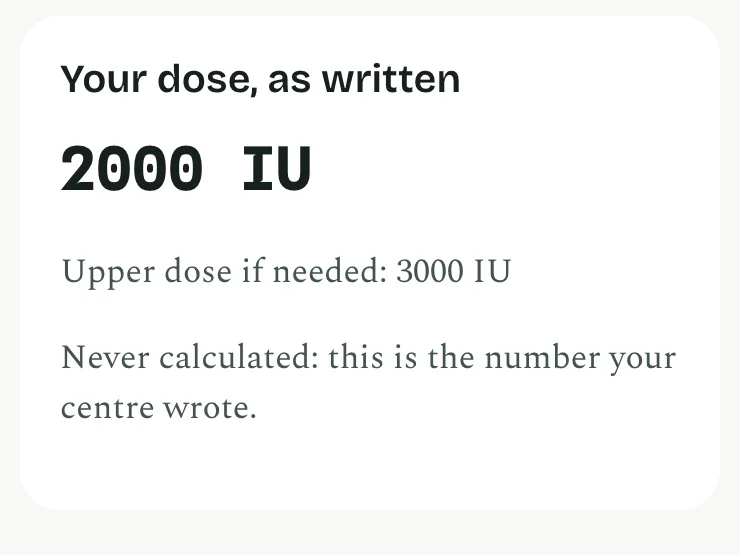
Follow the plan written with your clinic.
Your dose, your centre and your kit, exactly as recorded. Bleedwise never calculates a dose for you.
Step 3
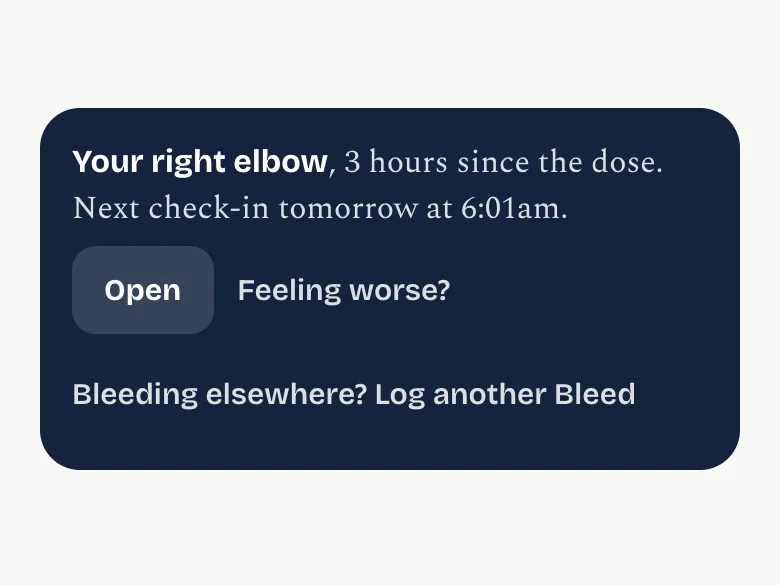
Keep the record as it changes.
Log the dose, check in at 24 hours and again on day 2 and 3, and keep a record ready to share with your care team.
Step 4
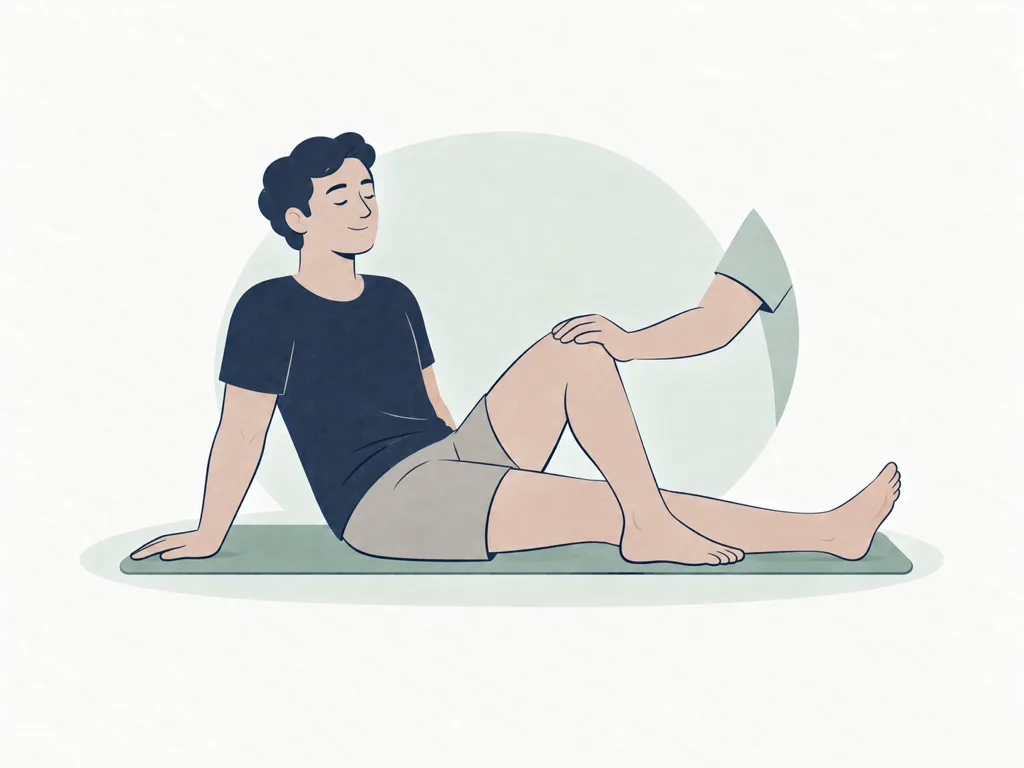
Know what to watch as you recover.
Close the bleed when it has settled, read the recovery steps for that site, and keep the record for your next clinic visit.
Your haemophilia card
Your plan, in your own words.
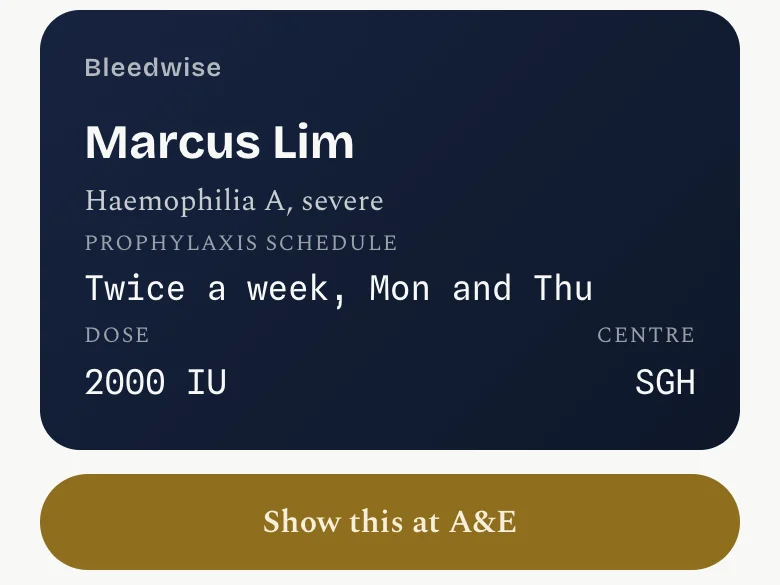
The card your centre gave you, kept on your phone and always up to date. It mirrors that card. It does not replace it.
Everything a doctor needs to read first.
Diagnosis and severity, product, the dose exactly as your centre wrote it, inhibitor status, your schedule and your centre's number.
One tap at A&E.
Show this at A&E turns the card into a full-screen summary for staff who have never met you.
What your care team told you.
Add a note after each appointment, so the advice is with the card the next time you need it.
Between bleeds
The rest of living with it.
Prophylaxis.
Dose days on the home screen and a one-tap log.
Library.
Plain words on signs, pain relief, travel and what to tell a dentist.
How it is built
Grounded in recognised practice.
Every clinical screen carries its source. The app follows the World Federation of Hemophilia guidelines on recognising a bleed, keeping records, treating at home and staying close to your centre.
WFH Guidelines for the Management of Hemophilia, 3rd edition. Read the guidelines
Informed by WFH guidance, not endorsed by WFH. Bleedwise does not replace advice from your haemophilia treatment centre.
- Recognisesign lists per site, warning signs first
- Recordsite, timing, dose as written, check-ins
- Treat at homeyour own plan, repeated, never calculated
- Stay connectedcentre details, nurse line hours, sharing, when your centre is ready
Looking after someone with haemophilia?
Caregivers use the same app in their own name: keep the plan close, log a bleed for them, share it with the care team.
Create a caregiver account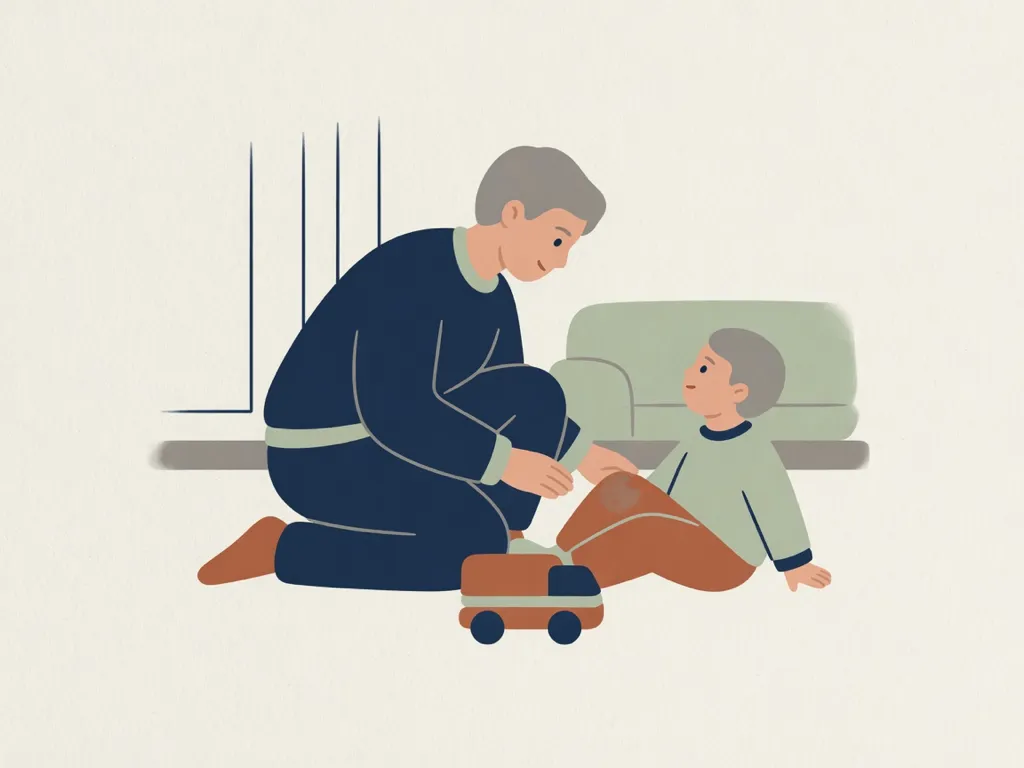
Your plan and your record, in one place.
Free. Works on your phone.